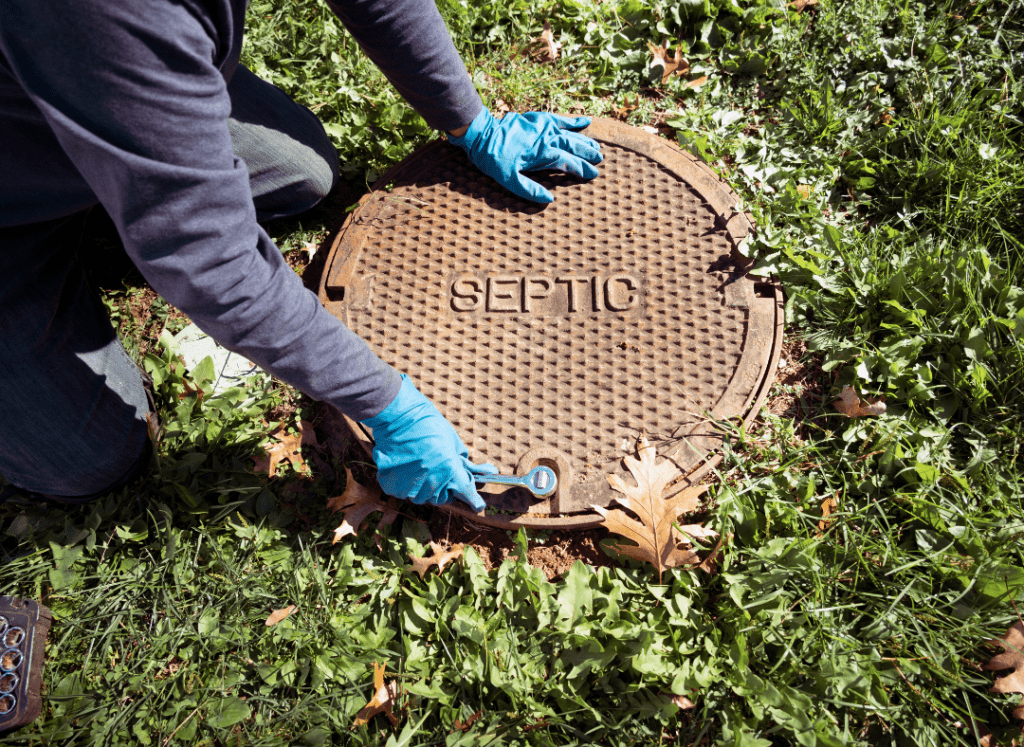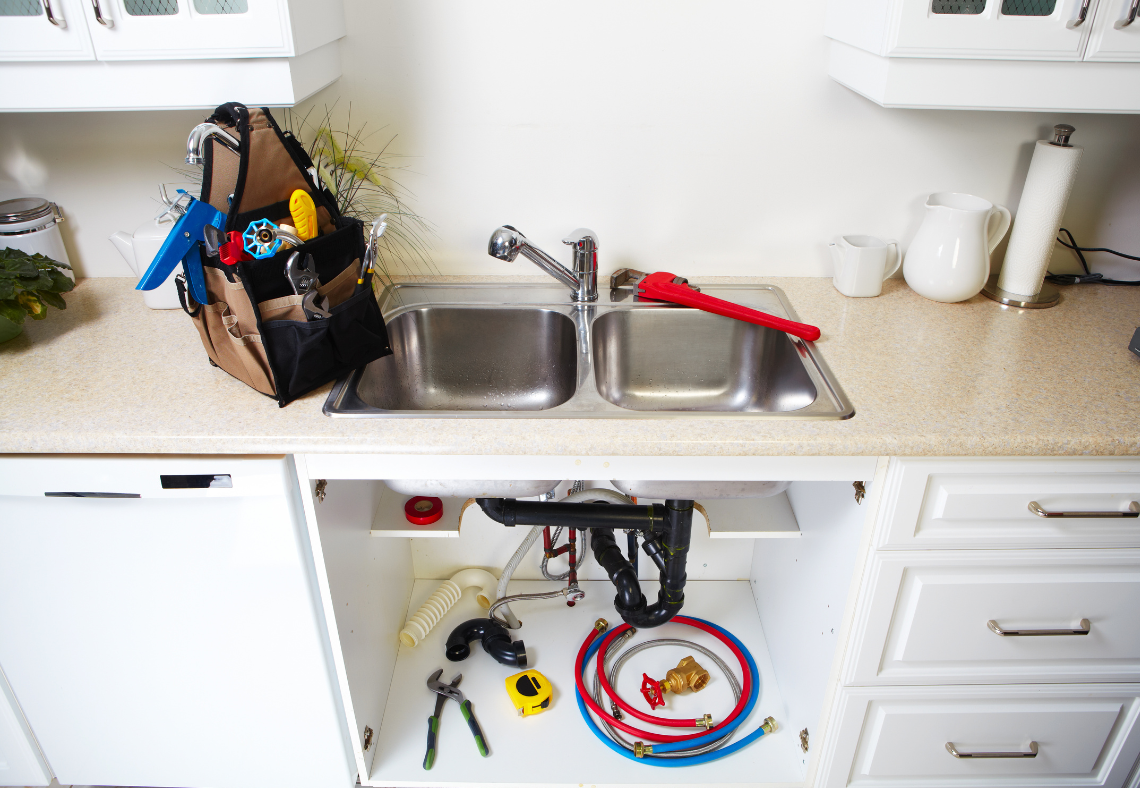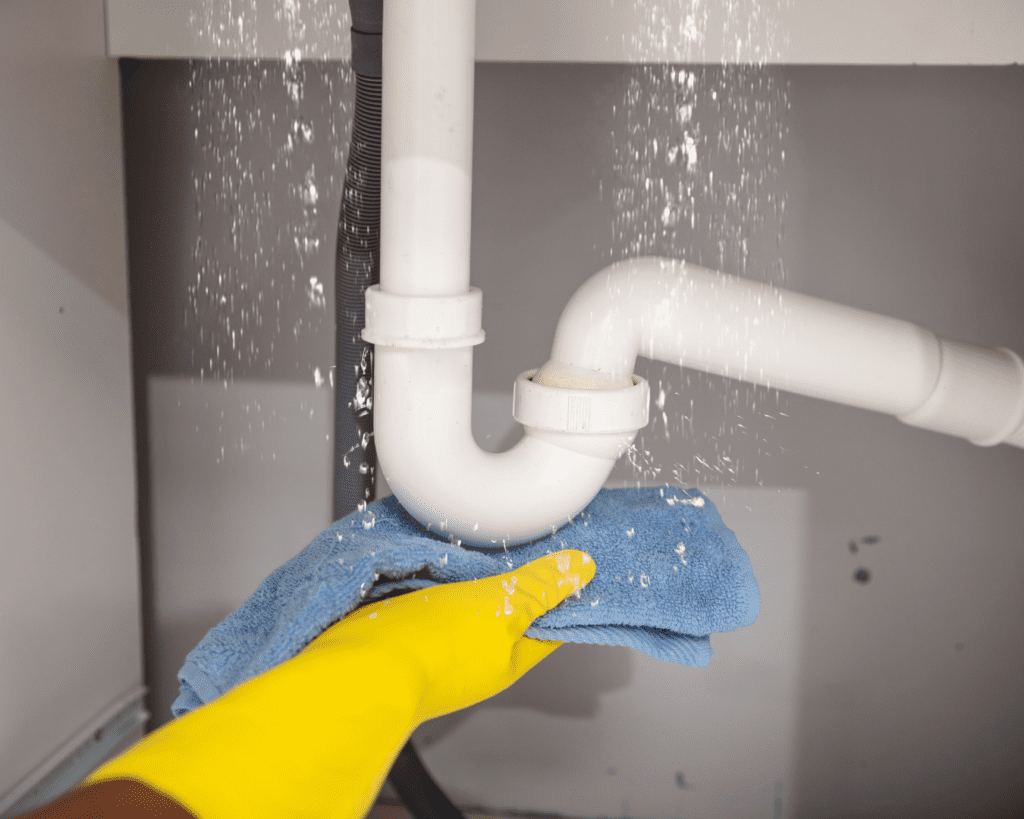
Find the right maintenance company for your septic system

What are some good tips to finding the right maintenance company for my septic system (onsite wastewater treatment system)?

March 1, 2013


So, we have been out of the blog-a-sphere for several months on a break.  But, we are glad to be back and ready to discuss key issues that directly affects your investment in your septic system, i.e., your own onsite wastewater treatment system.


Before we went on a break, we talked a lot about the importance of “taking care” of your septic system by not putting certain things down the drain into your septic tank.  The idea is that by following a list of do’s and don’ts to get the most life out of your septic systems though mainly doing routine maintenance such as inspecting and pumping out the septic tank.  But, you may ask, who offers maintenance services for your septic system and how to find the “right” maintenance company for your system?


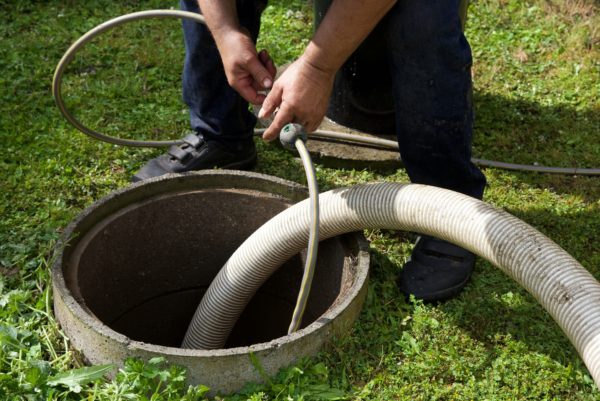
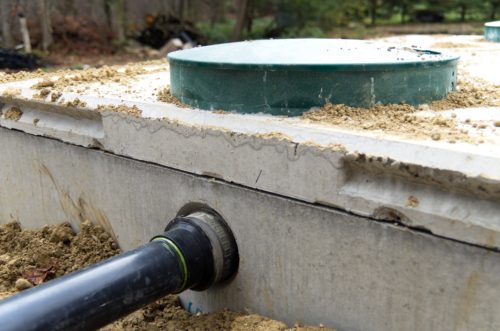
In this blog, we offer you tips to finding the “right” or appropriate company for maintenance of your septic system.  First, let’s recap what entails in maintenance of your septic system.  Depending on the type of septic system you have (a conventional septic drain field or one of many alternative engineered treatment and dispersal system), recommended maintenance service would included at the minimum following items:


  • Site visit once or twice a year for relatively simple system OR up to four times a year for more advanced system (discussion on system types later this year);
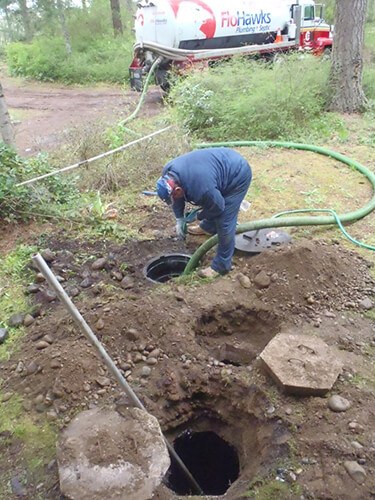
  • Inspection of treatment tank(s) to determine if any of the tank(s) need a pump-out (removal of accumulated bio-solids);
  • Inspection of effluent filter and cleaning of the filter;
  • Inspection of advanced treatment system and cleaning of treatment media;
  • Inspection of all the electro-mechanical parts such as pump(s), blower, and control system; and recording of pump operational data such as run-time, cycle count, alarm count, etc.;
  • Inspection of the drain field area for any sign of break-out and inspection of valves and other electro-mechanical parts present in the drain field area; and finally
  • Overall assessment of your onsite wastewater system performance and the need for making any changes/improvements to ensure that your system will operate till the next routine service call.


So, the first thing you should look for in a company that is trying sell you a maintenance service is what actually they would do when they come out to maintain your septic system.  If you do not know what type of septic system you have, you need to find that out by calling your local permitting agency (typical local health department or local environmental agency) and asking them about your system type.  You may also ask the maintenance company if they have any prior information/knowledge of your septic system and if they do not have that information would they be willing to help find out what system you have before you buy their services.


Following are the five key items you should look for when shopping for a maintenance service provider:


  • Knowledge and experience related to septic systems (conventional and advanced);
  • Track records in terms of number systems the company is servicing now;
  • Reputation of the company within the Onsite Wastewater Industry Group (for more information on this group visit http://www.wossa.org/)
  • Value-added services offered to better understand your septic system; and
  • Standing with BBB (Better Business Bureau).


The FloHawks team is ready to discuss with you maintenance of your septic system.  We will also keep you informed and educated about your septic system through our blogs because we like well informed and educated (client to whom we can offer) value-added services.

Call FloHawks at (800)444-2371


What you should not put into you Septic System

As home owners we put lots of stuff down our sinks, toilets and drains that we should think differently about.

What things should not go into a septic?

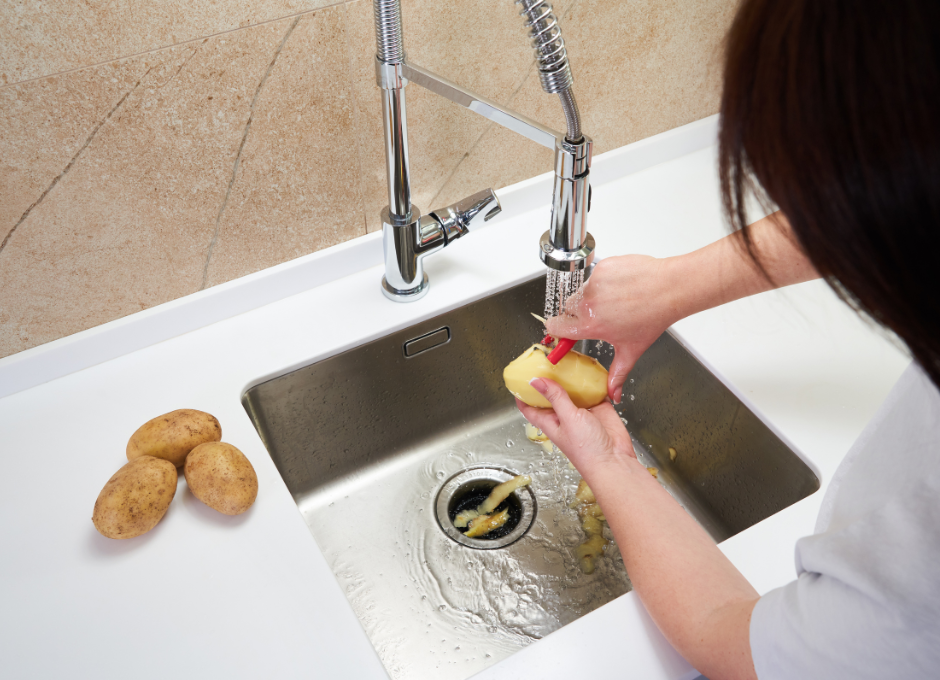
Fats, oils & greases (FOG). After cooking most people wash dishes and washout milk containers and all other food scraps into the sink. A lot of this adds FOG to our septic.

Coffee grounds, egg shells, nut shells. All these kind of things cause your septic to fill up with solids faster and can be pushed through out to drain fields and plug up drain holes & soils.

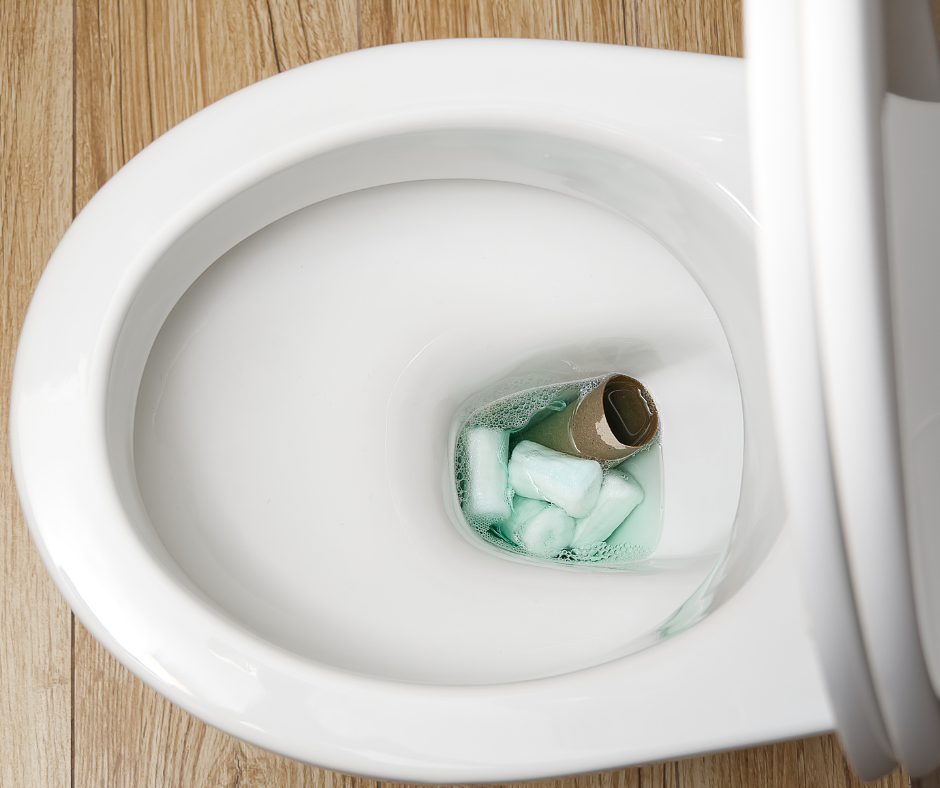
Sanitary napkins, tampons, condoms, paper towels or rags. All of these fill up the septic and can plug inlet and outlets to the tank and cause pumping to be needed more frequently.

Hobby or craft materials like paints, thinners or other chemicals. All can kill bug life in the septic and cause the system to die or not function correctly. The materials may also get into the drain field area and do not break down and may cause premature failure of the system.

Filter tips of cigarettes, disposable diapers. Both can also plug baffles and increase the need for the septic tank to be pumped sooner than normal.

The rule of thumb is to not put materials into the septic that did not go through your mouth except toilet paper. Your system will work longer with less maintenance needs in the long run. Talk to your local provider or call FloHawks if you have more questions.

Call FloHawks at (800)444-2371

Grease traps, a vital part of the plumbing system.

Grease traps collect grease and oils, preventing them from going into the sewer system. Grease traps need cleaning and regular maintenance to prevent build-up that could result in a drain blockage. Grease traps come in many sizes. Some are small inside traps and some are large outside traps. Both require maintenance.

Various types of grease traps need to be cleaned differently. In fact, when it comes to cleaning grease traps, a pumping company is best equipped to do the job, as they have the necessary tools and supplies. They can pump and clean the trap efficiently and cost effectively. They then dispose of the grease at approved disposal facilities.

On a small inside grease trap the gasket is delicate and the cover must be removed very carefully. The oil and grease in the trap is pumped out. The baffles need to be cleaned and rinsed, and the bottom and sides of the grease traps scraped to remove grease and food particles. The last step is cleaning out the bypass venting and checking the incoming and outgoing piping for obstructions.

The entire process is a lot of work and best left to a professional pumping company.

Call FloHawks at (800)444-2371

Do you really need to inspect your Septic System?

Would you run your car or truck for months or years without changing oil or checking it, rotating or replacing tires? Septics are very much the same way; they need checked periodically to make sure they are functioning correctly. In a lot of cases we have the lids covered up on our septic tanks. This would be the equivalent to spot welding the hood of your car closed. Most would not consider this or even allow this to happen.

Cars dealers recommend oil changes every 3 or 4 thousand miles with some other things like transmission, radiator, break fluids, air filters and lots of other things checked just to keep our car running efficiently. Septic systems are a lot the same way. If we do periodic checks of the system, inlets and outlets of the tank may need cleaned or checked, depending on use, sludge and scum (Solids in the tank) may get to a level that need to be pumped out to keep them from going to the drain field. Pumps can be checked for draw downs and to make sure all is working well and many other things depending on the type of septic you have. No different than a car if you do proper maintenance you have less of a chance of a big repair bill or emergency call outs because you are broke down.

What is the cost to replace your car? Thousands or tens of thousands? Septic systems are a lot the same way. Depending on house size, soil and location you may have a simple system now, but if it fails, then new codes and standards will be required to be followed to update or replace your system. If available, you may be required to hook up to sewer with some fairly large hook up charge besides the cost of construction to install.

Yes, periodic inspection and maintenance of your septic system is a great idea. Call your local provider for your inspection regularly.

Call FloHawks at (800)444-2371

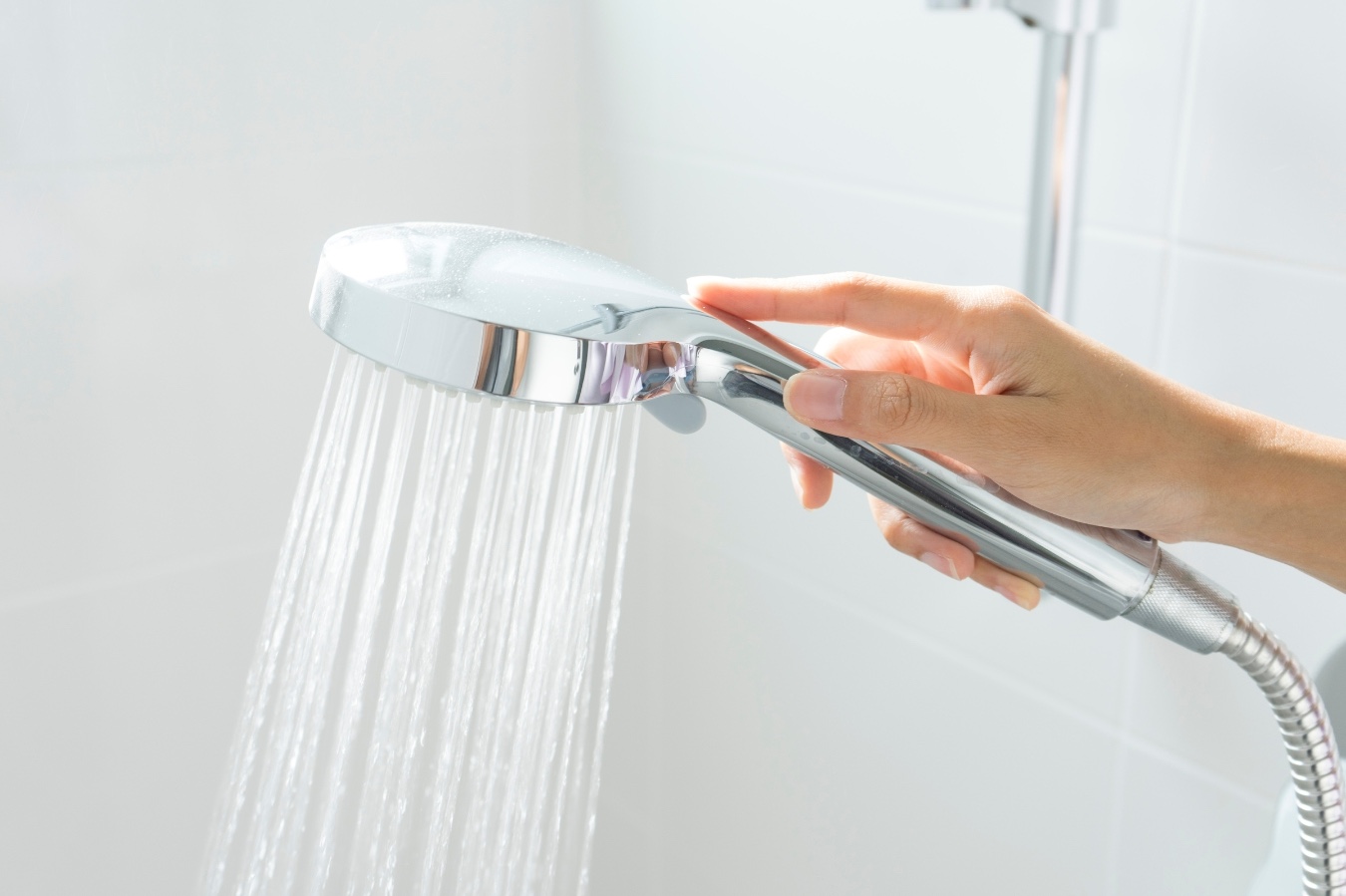
If Your Shower Is Draining Slowly You Can Be Sure You Have Clogged Pipes

Although most people will choose a chemical clog remover as the first method of drain cleaning, it’s a very controversial method. Some say that these products are harmful to pipes; others say just the opposite. If there is a serious problem, chemical drain cleaners, will be of little effect.

Because these products may back up into other pipes, they should be used very carefully. A backup into the washing machine or dishwasher would cause a serious problem. Most plumbers agree that chemical cleaners are rarely effective and are used too frequently by consumers. When you do call a plumber and they have to snake the drain line the chemicals will cause damage to the plumber’s equipment. They will charge you for this damage to their equipment which can sometimes be as much as the service call to unclog the drain.

Rather than using one of the chemical cleaners, plunging the shower drain might solve the problem. If your shower is draining slowly and you have not been able to correct the situation, it’s time to call a local professional plumber.

Call FloHawks at (800)444-2371

The Need For Cleaning Your Catch Basins At Your Home Or Business

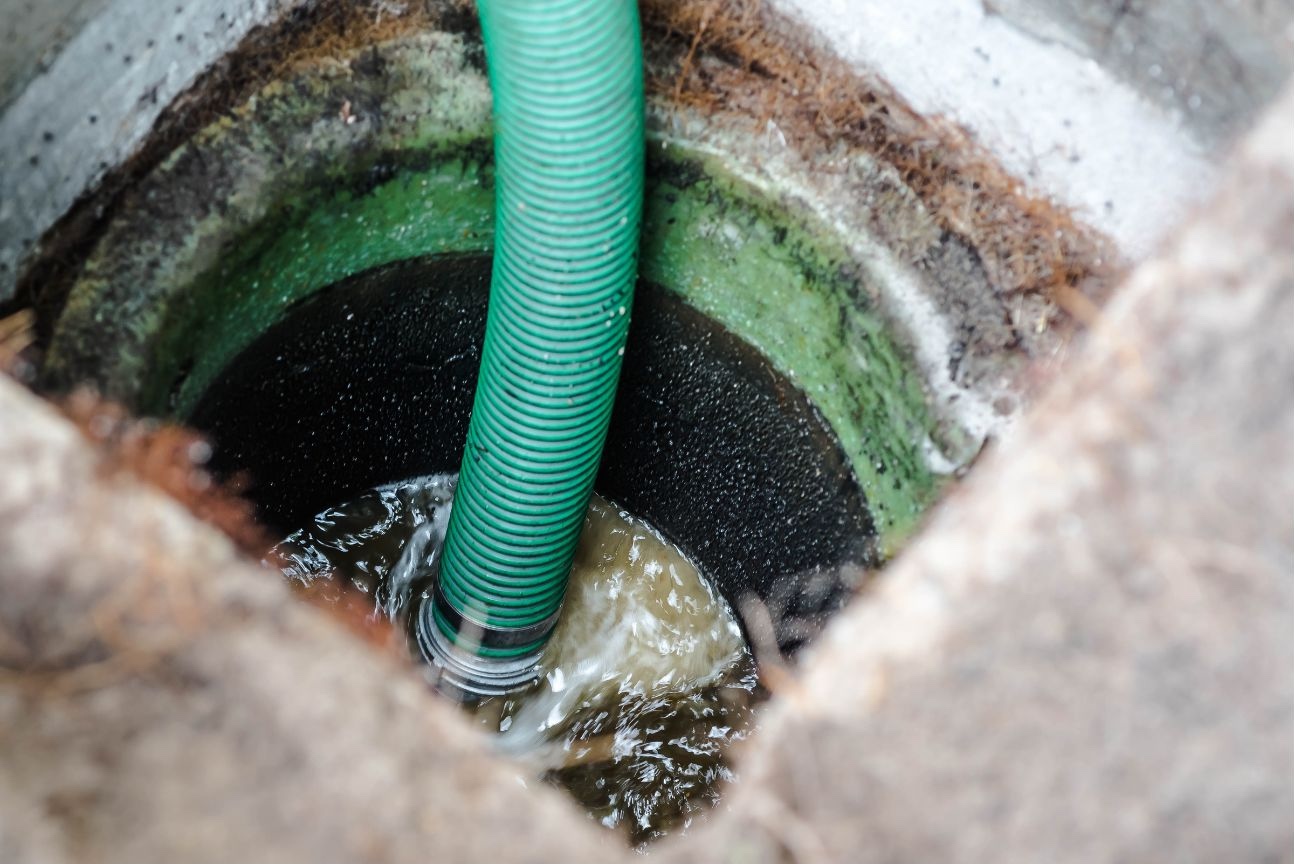
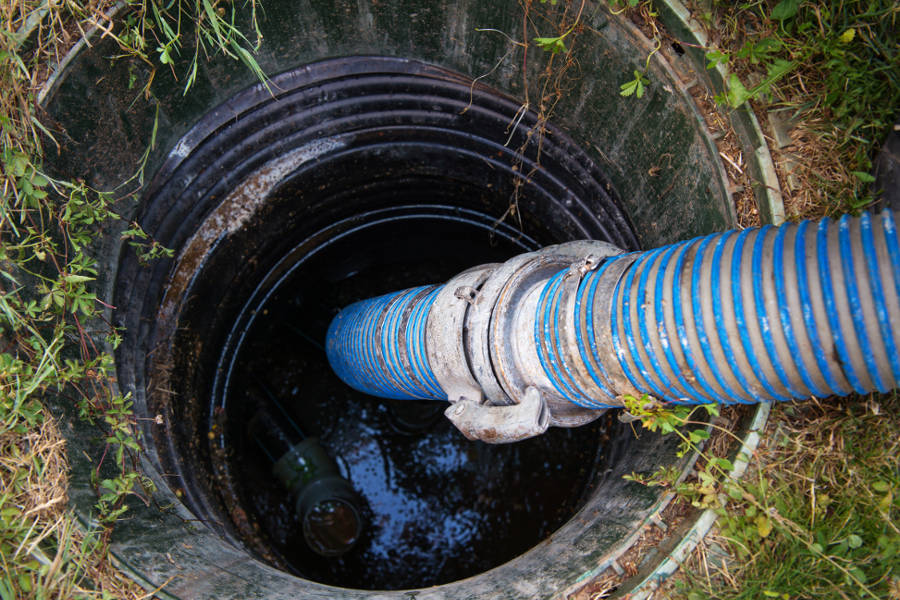
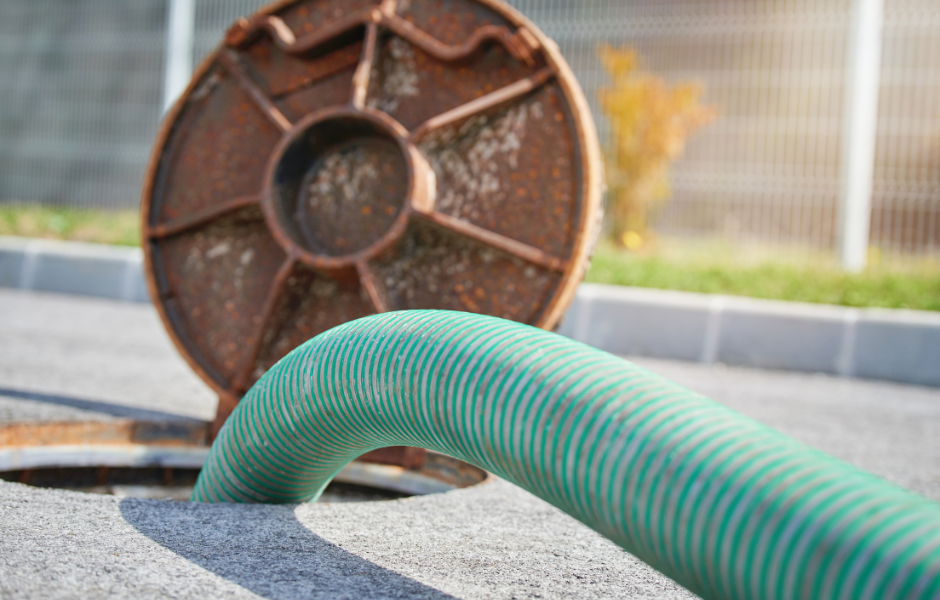
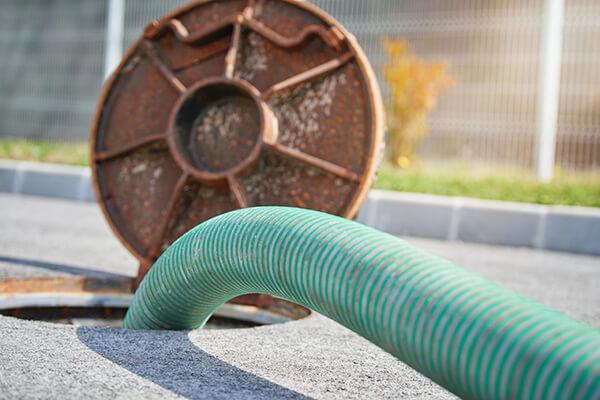
If you have any catch basins on your property, you as the business or homeowner are responsible to keep the basins free from debris, both inside and outside of the drain system. Keeping the grate clean is the easy part, but removing the grate and cleaning inside the basin might require a Vactor truck to suck up the debris inside the basin.

The storage area of the drain system will accumulate debris that settles on the bottom of the drain requiring you to clean it out to prevent the flooding of streets and properties. A professional Vactor truck company will come to your business or home with the necessary equipment to clean the catch basins and storm drain areas.

• A Vactor truck is like a giant vacuum cleaner that sucks up all the debris in and around the drains or catch basins, By keeping catch basins properly maintained it helps prevent the possibility of flooding. The catch basins require cleaning before the debris reaches the half way mark of the storage area.

• The most important times to have the catch basins cleaned are in the fall and spring. Leaves and other debris fall through the grates into the catch basins throughout the year, but more so after the winter months and during the fall when the trees are loosing there leaves. Use of a Vactor truck will clean out the debris and make the storage area ready to adequately drain the streets and properties from future rainfalls.

• You want to have your storm system cleaned yearly. If you allow the storage area to become over half full, you not only risk flooding, but also the debris and pollutants can travel through the sewer system and end up in streams and lakes or even the detention basins that your city has to collect water. Many counties and cities have requirements for catch basin inspecting and cleaning. Check with your local storm water agency for these requirements.

Call FloHawks at (800)444-2371

Replace your old or problem sewer without tearing up your yard!

Trenchless technology is a new method of repairing or replacing an underground pipe with minimal digging in your yard or parking lot. For homeowners, this technology now offers a way to fix your plumbing problem without having to excavate your entire yard or remove retaining walls and fences. Trenchless technology is the new future of underground sewer repair.

With the growing concerns with contaminated water, tree roots growing into the sewer lines, and the ground shifting, the new trenchless technology offers a solution to the problem. The way a plumbing company would perform a job with this trenchless technology is either to pull a new pipe through the existing pipe (pipe bursting) or line the existing pipes and then expand the liner to completely fit the pipe (pipe lining). The materials hold up against tree roots, potential contamination and ground shifting.

With pipe bursting you get an entirely new mainline that will have greater flow characteristics than your original plumbing. A small hole is dug at each end of the line to be replaced and the new pipe is pulled through the pipe using a bursting device. Qualified plumbers work with these materials and can install them in less time and with similar cost to conventional digging up the yard type replacement.

If you have problems with sewer pipes in your area, there is now a solution to the continued problem. If you are a business or property owner, you can request a plumber to talk with you about this new technology.

The advantages are:

• Major excavation NOT required
• Preserves your lawn, landscaping, patio, driveway, and interior floor slab
• Fast and reliable with less down time (usually complete in 1 day)
• Environmentally safe
• Proven success and can save Money

Call FloHawks at (800)444-2371

Stormy Days and Septic

The rain, snow, ice or wind comes and then next thing you know trees are down and or the power is out. If you live in an area that you have a personal or small community well you may still have water if you have a generator. If you are on public water it is more than likely you still have un-interrupted water service to your home or business.

Because you do not have power to the rest of your home most do not continue to use lots of water. Depending on your hot water source (gas water heater not electric) you may not even use showers or wash dishes. Toilets still flush, sinks still run for drinks and hand washing. Unless the power is out for an extend time most septics will never know the difference. For those times that power is out for many hours or even days that changes potential for problems for some of us.

If you live on a gravity system or demand septic system you would want to hold off doing all the laundry, dishes, showers etc at one time when the power comes back on, or you could “Hydraulically Overload” your septic (Put to much water in it at once). This can cause problems by pushing solids out of the tank into the pump or drain field area.

If you have a septic that has a pump with a timer on it you may cause alarms to go off or they may already be going off as soon as power comes back on. If this happens, silence the alarm at the box by pushing the button and give it a day or so to catch back up with the water usage in the home. You can tell the system has caught back up by looking to see if the red light at the box has gone back off or on some alarms the green light may be back on.

If you continue to have problems after 24 hours you may want to contact a service provider to look at your septic system.

Call FloHawks at (800)444-2371

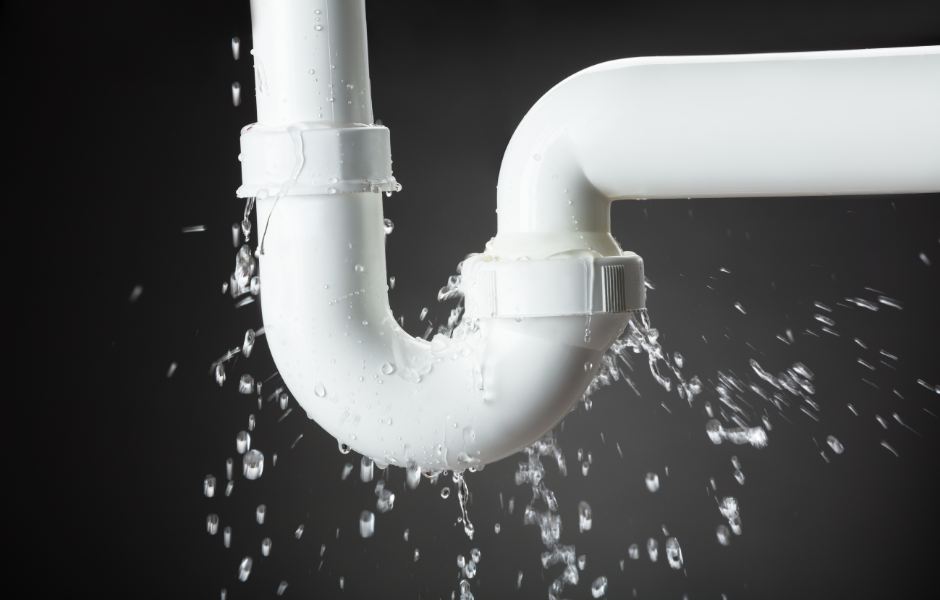
Drippy Plumbing Costs You Money $

Do you have a faucet dripping or a toilet running? Is your shower constantly dripping or bath tub dribble a small stream of water?

This is not that big of a deal right? Right?

If you live on sewer in may not be that big of a deal. Right? Or maybe you are like some friends that have high water bills. Not just because they use lots of water, but they may be paying for a lot of water they are not using.

A small drip or constant running of water adds up to be a lot of water in a day. If you have a drip in a sink, put a pot under it and go in and watch TV for a half hour. When you come back if the pot is full and running over start thinking about that for 24 hours a day / seven days a week / 365 days a year. In one month if the drip is only 1 gallon per hour in one month that is 750 extra gallons per month.

In our experience we find most drips are way more than that. Toilets are known to have a constant running of water that can equal 500 to 1000 extra gallons PER DAY! So if you are on sewer this is money out of your pocket that may be easily fixed with some inexpensive plumbing parts.

If you are on a Septic System any of this could help fail your septic drain field. Now you have not only paid for the extra water use, but you now have to pay for a drain field repair and all associated cost. This could cost thousands of dollars.

Most drips and running toilets and faucets can be fixed by making a quick trip to the nearest hardware store for some fairly inexpensive parts. If you need to call a service provider it would help if you tell them what kind of fixture you have. They may be able to bring the correct part to repair or replace.

Bottom line is don’t let those fixtures leak. It will cost you money one way or another!

Call FloHawks at (800)444-2371


Plumbing issues during the Holidays

You have had lots of family and friends at your house for one great day or another.   Lots of fun, games, traditions and food.  Lots of water is being used and the plumbing system is being over taxed.

What are some of the more common problems?  What to do after they happen.

Septic alarm goes off during or after the party.  This is very common and may just be the result of more water use than is normal for a short period of time.  The system may be on a timer and if you push the silence button and leave it with out using lots more water for the next 24 hour it may catch up and the red light will go off.   Calling out a service provider may just be costly and not change the need to cut back on water until the system catches up with pump out to the drain field.   (A maintenance provider can pump and haul the waste away but this all costs money and may not be necessary).

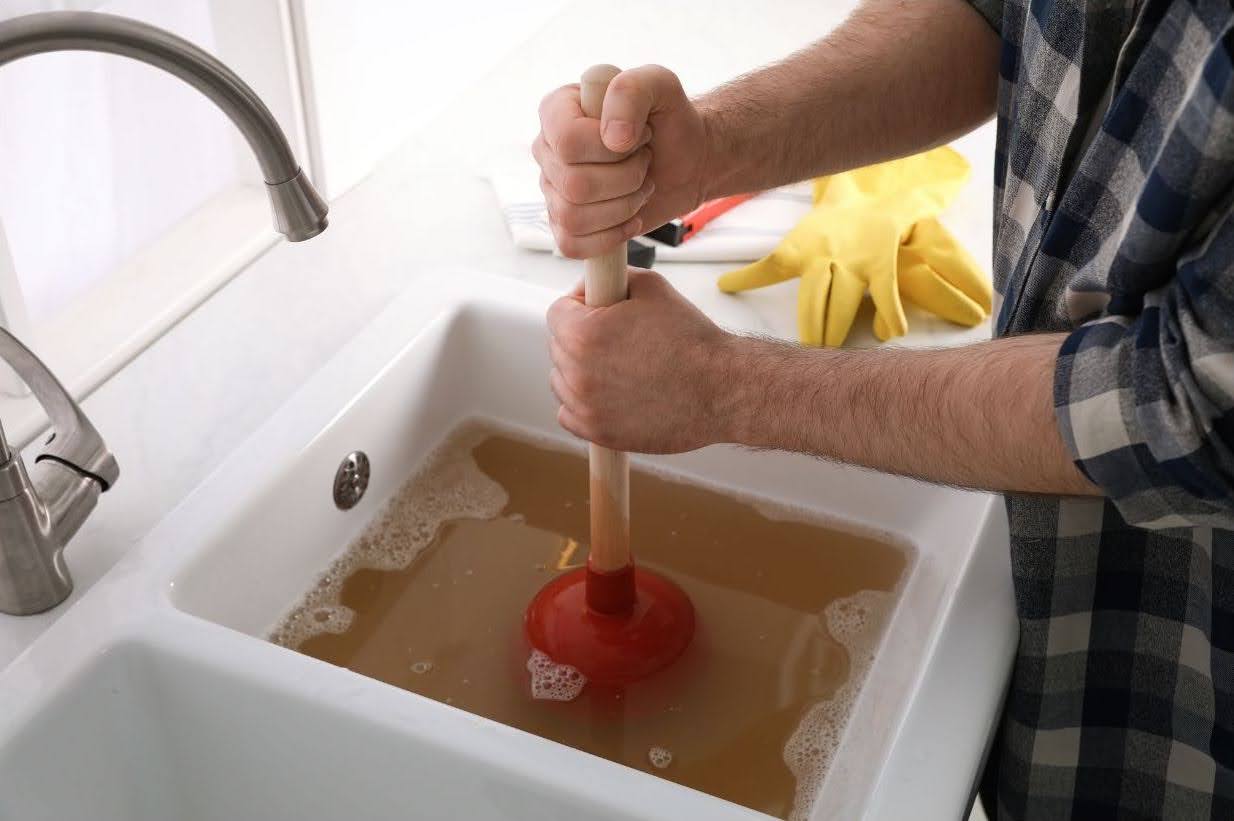
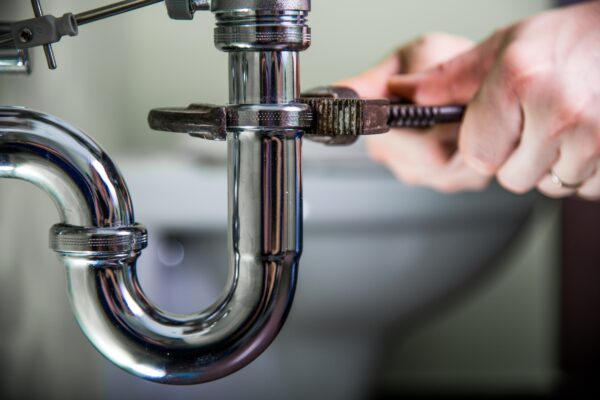
Kitchen sinks backing up are a common problem because of all the food prep and washing plates and pans off.   This may be a simple as cleaning out the trap under the sink or using a plunger to clean the drain.   Put a plunger over the drain and put a rag in the sink next to it if a double sink.  Pump the plunger up and down several times with out lifting it up off the drain.    If the problem is in the traps it should clear the line and let all the water out.  (A maintenance provider can come out and remove the traps and clean them and cable the line).   We do not recommend liquid drain cleaner because they can be toxic to septic systems.  If you are on a sewer system and liquid cleaner does not work it can be dangerous to the technician and ruin his equipment cables.  Please inform any provider that you have used liquid cleaners.

Toilets backing up are also a common problem.  Use of the plumbers’ friend (plunger or toilet auger) of course is some of the most common fixes.   Sometimes that is not enough and the toilet simply needs removed to clear or remove the objects that may be blocking it.

These are some of the most common thing we see. We encourage you to use some basic care and you may be able to avoid some of these and other problems all together.  Continue to have a great holiday and don’t let your plumbing get you down.

Call FloHawks at (800)444-2371